A preventive health check-up aims to identify health risks before they cause noticeable symptoms. However, an effective check-up is not simply the largest package of laboratory tests available. The most useful screening plan is selected according to age, medical history, lifestyle and individual risk factors.
A preventive health check-up in Ulwe should therefore begin with a clinical consultation rather than a random list of investigations.
Why Preventive Screening Is Important
Conditions such as hypertension, type 2 diabetes and high cholesterol may remain undetected for years. During this period, they can gradually affect the heart, kidneys, eyes, nerves and blood vessels.
Screening may be particularly relevant for people who:
- Have a family history of diabetes or heart disease
- Are overweight or physically inactive
- Use tobacco
- Have irregular sleep or high stress levels
- Previously had abnormal blood test results
- Take long-term medicines
- Are above the age at which routine risk assessment is recommended
- Have unexplained fatigue, weight changes or frequent urination
The presence of a risk factor does not confirm disease. It indicates that a structured assessment may be useful.
Common Components of a Health Check-Up
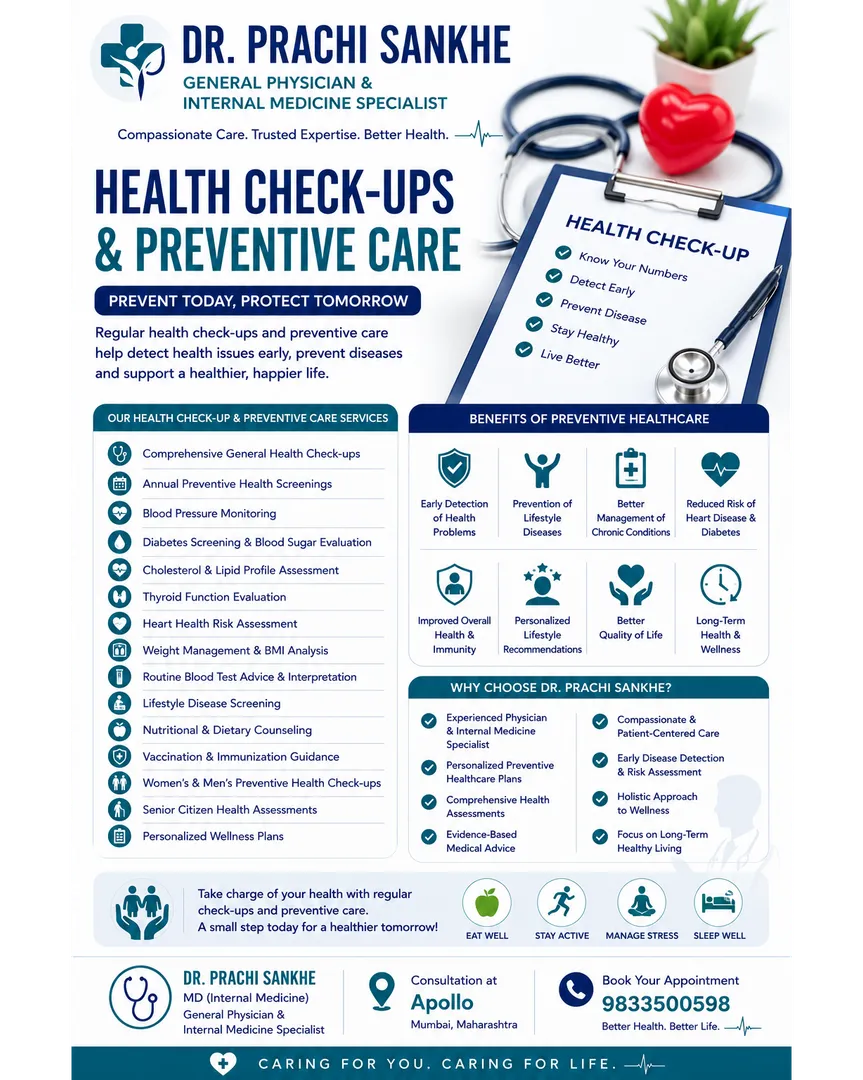
The exact requirements differ for every person, but a preventive assessment may include:
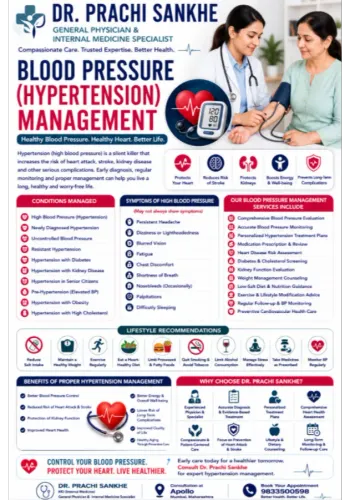
Blood pressure measurement
Blood pressure should be measured correctly after a brief period of rest. If the reading is high, repeat measurements or home monitoring may be advised before making a diagnosis.
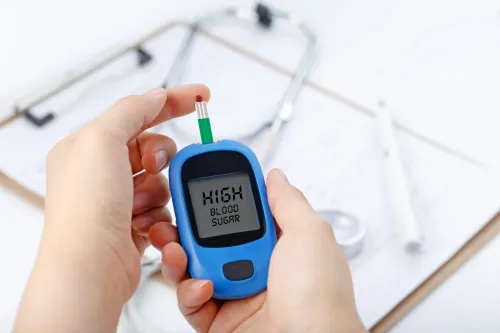
Blood sugar assessment
Fasting blood sugar and HbA1c are commonly used to assess glucose levels. The appropriate test depends on symptoms, previous readings and diabetes risk.
Cholesterol profile
A lipid profile measures different types of cholesterol and triglycerides. Results are interpreted alongside age, blood pressure, diabetes status, smoking history and overall cardiovascular risk.
Blood count
A complete blood count may help detect anaemia or certain signs of infection. It is generally selected when the medical history or symptoms make it relevant.
Kidney, liver and thyroid tests
These tests are not automatically required at the same frequency for everyone. Existing conditions, medicines, symptoms and past abnormalities influence when they should be performed.
Other screening may be recommended based on age, sex, family history and established clinical guidelines.
Tests That May Not Be Necessary for Everyone
More testing does not always provide better preventive care. Broad panels can produce minor abnormal results that have little clinical significance, leading to anxiety and unnecessary repeat investigations.
Tumour markers, extensive vitamin panels, repeated scans and specialised cardiac tests are not routine screening tools for every healthy adult. They should be selected when there is a clear clinical reason.
Preparing for the Consultation
Before visiting a primary care doctor, keep the following information ready:
- Previous test reports
- A list of current medicines and supplements
- Family history of major illnesses
- Recent blood pressure or blood sugar readings
- Changes in weight, sleep, appetite or energy
- Any persistent or recurring symptoms
Dr Prachi Sankhe can assess preventive healthcare needs based on a patient’s personal risk profile in Ulwe, Maharashtra. This individualised approach helps ensure that investigations are relevant and that the results lead to practical action.
A good preventive check-up should answer three questions: What is the current risk, which tests are genuinely needed, and what changes should follow? The real value lies not in the number of tests performed but in informed interpretation, appropriate follow-up and sustainable health habits.
Keywords