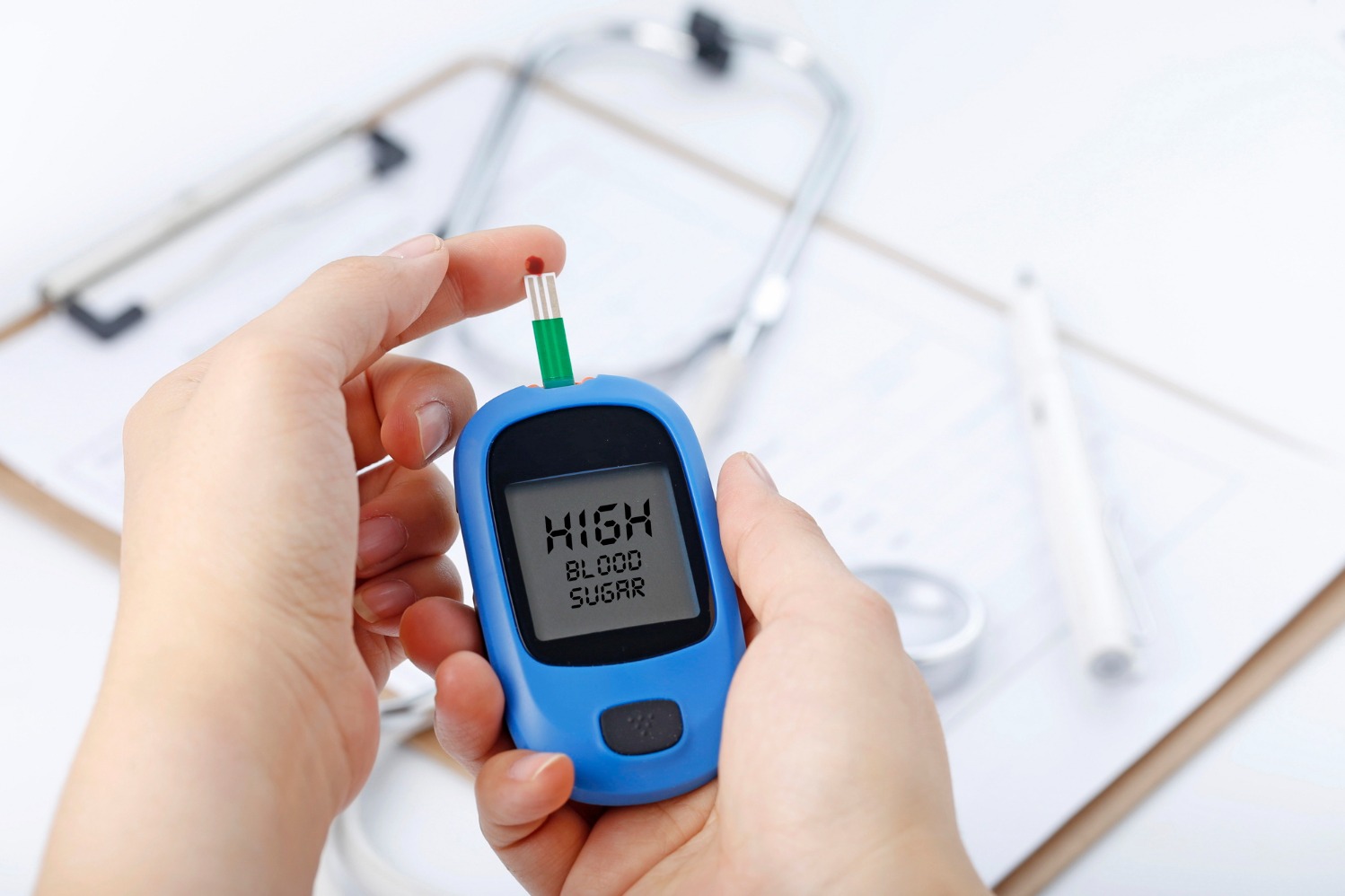
Diet and exercise are important parts of Diabetes Management, but they are not the only factors that determine blood glucose levels. Some people continue to have elevated readings despite making meaningful lifestyle changes, while others find that previously stable diabetes becomes more difficult to control.
When this happens, the next step should be to understand why rather than simply making increasingly restrictive dietary changes.
Blood glucose can be influenced by several factors, including illness, stress, sleep, physical activity, body weight, medications, meal patterns, and progression of diabetes itself. Certain medicines used for other conditions can also affect glucose levels.
A structured review can help identify where the difficulty lies.
Useful information to bring to a medical consultation includes:
- Recent fasting and post-meal glucose readings
- HbA1c reports, if available
- Current diabetes medicines and doses
- Other prescription or non-prescription medicines
- Typical meals and meal timings
- Recent changes in weight or physical activity
- Episodes of unusually low or high glucose
This information gives the physician a clearer picture than an isolated sugar reading.
Patients should also avoid changing prescribed medicines independently based on a few abnormal readings. Medication adjustments depend on the overall glucose pattern, existing treatment, kidney and liver health, age, other illnesses, and risk of hypoglycemia.
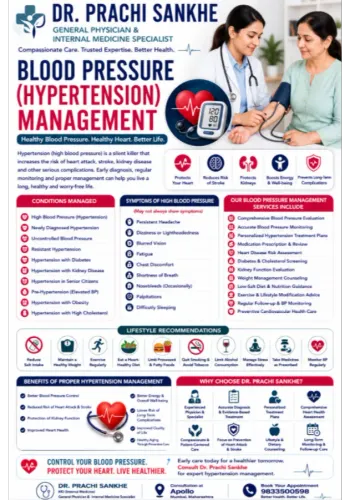
For people in Ulwe and the wider Navi Mumbai region, regular follow-up can be particularly valuable when diabetes coexists with hypertension, cholesterol abnormalities, or other chronic conditions.
Dr Prachi Sankhe provides general physician care in Ulwe, including ongoing assessment for adults managing diabetes and associated medical concerns.
Another common mistake is focusing exclusively on glucose numbers. Long-term diabetes care can involve attention to blood pressure, cholesterol, kidney health, eye screening, foot health, medication adherence, and other individual risk factors. The frequency and type of these assessments depend on the patient's clinical situation.
Some changes require earlier review. Persistently very high glucose readings, repeated hypoglycemia, vomiting, dehydration, unusual drowsiness, or significant deterioration in health should not simply be left until the next routine appointment.
Effective Diabetes Management is therefore not about following a single diet rule or achieving one good reading. It involves understanding patterns, using medicines appropriately when prescribed, maintaining realistic lifestyle habits, and reviewing relevant health risks over time.
When blood glucose remains outside the recommended range despite sincere lifestyle efforts, a medical review can help determine what needs to be adjusted rather than relying on trial and error.
Keywords