Dr Prachi Sankhe provides diabetes treatment in Ulwe for adults who need blood sugar evaluation, ongoing monitoring and practical support with long-term management. Diabetes care involves more than reducing a single high reading. It requires understanding blood sugar patterns, personal risk factors, lifestyle habits and the possible effects of diabetes on other organs.
Many people discover elevated blood sugar during a routine health check-up. Others seek medical advice after experiencing increased thirst, frequent urination, unexplained weight loss, tiredness, blurred vision or slow-healing wounds. Some people have no clear symptoms, which is why appropriate screening matters.
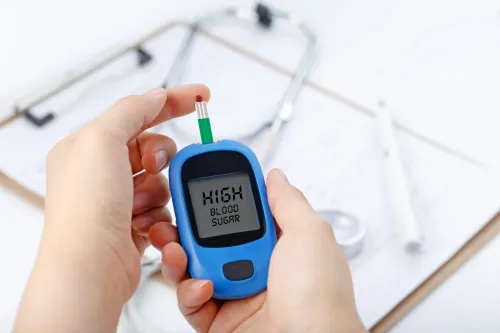
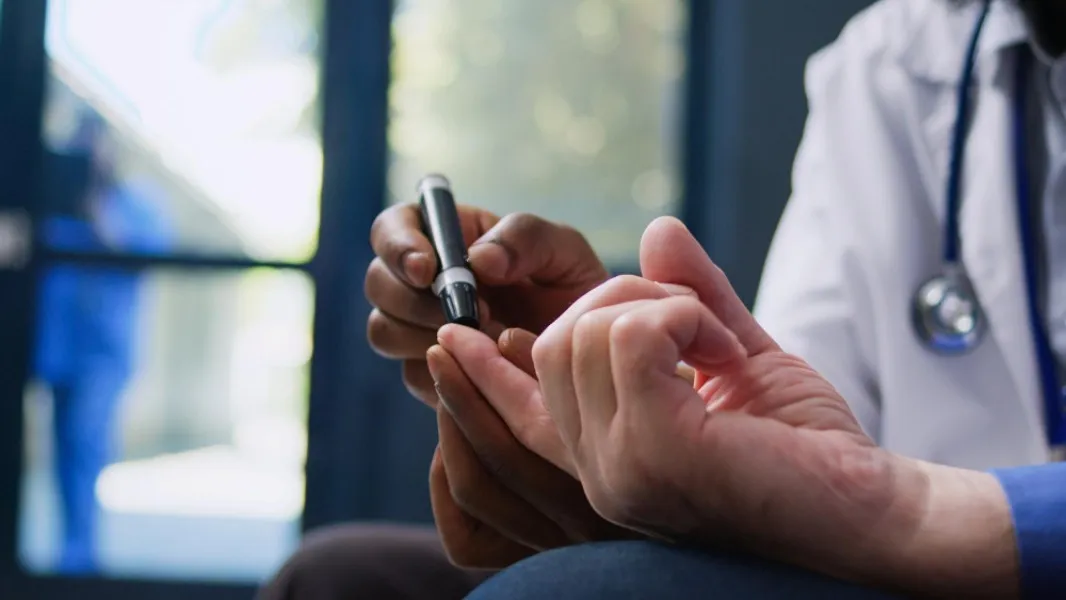
Understanding Blood Sugar Test Results
Different tests provide different information:
- Fasting blood sugar: Measures glucose after an overnight fast.
- Post-meal blood sugar: Shows how the body handles glucose after eating.
- Random blood sugar: May be used when symptoms are present or immediate assessment is needed.
- HbA1c: Reflects the average blood sugar level over approximately two to three months.
A single abnormal result may need confirmation unless symptoms and glucose levels clearly indicate diabetes. Results should be interpreted alongside medicines, recent illness, pregnancy status and other health factors.
What a Diabetes Management Plan May Include
Treatment depends on the type and stage of diabetes, current readings, age, kidney and liver health, body weight and other medical conditions. A management plan may involve:
- Meal planning based on usual food habits
- Regular physical activity suited to the person’s health
- Oral medication or insulin when medically indicated
- Home blood sugar monitoring
- Periodic HbA1c testing
- Blood pressure and cholesterol management
- Screening for diabetes-related complications
The aim is not to follow an unrealistically restrictive routine. A practical plan should work with the patient’s daily schedule and remain sustainable.
Common Reasons Blood Sugar Remains Uncontrolled
Blood glucose can remain high even when a person believes they are following treatment. Common reasons include missed doses, irregular meal timings, inadequate activity, stress, poor sleep or medicines that affect glucose levels.
Portion size is another frequent issue. Foods considered healthy can still raise blood sugar when consumed in large quantities. Fruit juices, sweetened drinks and frequent snacks may also contribute to unexpected spikes.
Stopping medication after readings improve is a significant mistake. Normal readings may reflect successful treatment rather than the disappearance of diabetes.
Monitoring Beyond Blood Sugar
Diabetes can affect the kidneys, eyes, nerves, heart and feet. Long-term care may therefore include kidney function tests, urine testing, eye examinations and foot assessment at clinically appropriate intervals.
Patients should report symptoms such as:
- Numbness or burning in the feet
- Repeated urinary or skin infections
- Persistent swelling
- Changes in vision
- Non-healing cuts or wounds
- Episodes of sweating, shaking or confusion
These concerns may indicate complications or excessively low blood sugar and should be evaluated promptly.
Managing Diabetes in Ulwe
Residents of Ulwe and the wider Navi Mumbai region often manage commuting, demanding work hours and irregular meals. A diabetes plan should account for these realities. Carrying suitable food while travelling, setting medication reminders and planning short periods of activity can improve consistency.
Effective diabetes care combines appropriate medication, realistic lifestyle adjustments and regular review. Patients who understand their readings and treatment goals are better equipped to manage the condition safely over the long term.
Keywords