
Feeling well does not necessarily mean every important health measurement is within the expected range. A routine Health Check Up can help identify certain risk factors and previously unrecognized abnormalities, particularly in adults whose age, lifestyle, family history, or existing conditions increase their health risks.
For residents of Ulwe, preventive assessments can be considered based on individual needs rather than choosing the largest available package of tests.
The most useful health check is one guided by personal risk.
A doctor may first consider age, weight, medical history, family history, tobacco or alcohol use, physical activity, diet, sleep, current medicines, and previously diagnosed conditions. Based on this information, relevant examinations or investigations can be selected.
Depending on the individual, assessment may include measurements or tests related to:
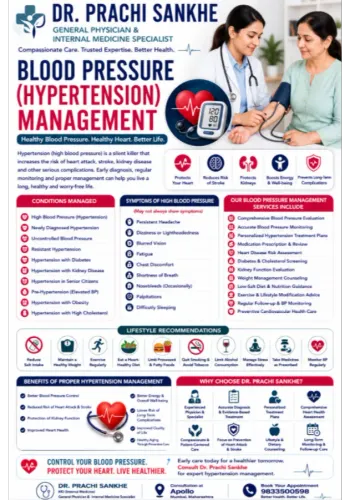
- Blood pressure
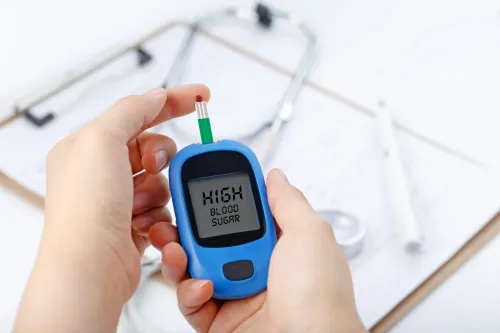
- Blood glucose
- Cholesterol and lipid levels
- Weight and body mass index
- Kidney or liver parameters when indicated
- Anemia or other concerns when clinically relevant
- Age-appropriate screening
More testing is not automatically better. Unnecessary investigations can sometimes produce incidental findings that lead to additional testing without providing meaningful benefit. A physician-guided approach helps focus screening on tests that are appropriate for a person's health profile.
Regular assessment becomes particularly relevant for people with a family history of diabetes, hypertension, cardiovascular disease, or other chronic conditions. Adults with sedentary lifestyles, excess weight, tobacco exposure, or previously borderline test results may also require more structured monitoring.
Another important part of a check-up is comparing results over time.
A single blood pressure or glucose reading provides useful information, but trends across several visits can offer additional context. Keeping copies of previous reports makes these comparisons easier.
Dr Prachi Sankhe provides general medical and preventive consultations in Ulwe, helping patients understand which assessments may be relevant based on their individual health history.
People across Navi Mumbai and Maharashtra increasingly have access to packaged screening options, but interpreting the results remains important. A laboratory value should not be considered in isolation from symptoms, medicines, medical history, and other clinical findings.
A Health Check Up is therefore most useful when it leads to informed decisions rather than simply producing a collection of reports. For some people, the outcome may be reassurance and routine follow-up. For others, it may identify a measurement that needs lifestyle modification, repeat testing, closer monitoring, or treatment.
Preventive assessment works best when it is personalized, clinically relevant, and followed by a clear plan.
Keywords