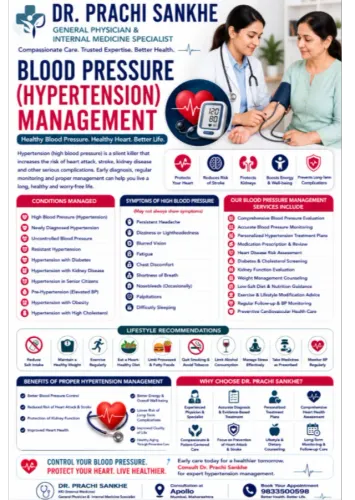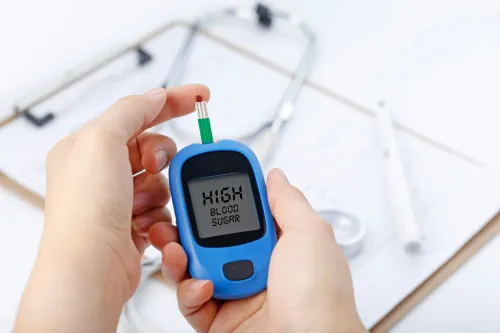

Chronic conditions such as diabetes, hypertension, thyroid disorders and asthma require more than occasional treatment during a flare-up. Effective management involves regular monitoring, medicine review, preventive screening and realistic lifestyle support.
Dr Prachi Sankhe provides chronic disease management for adults who need organised, continuing care. The objective is to maintain stable health, reduce avoidable complications and identify changes early.
Why Continuity Matters
Chronic diseases often change gradually. A single test result gives limited information, while records collected over time reveal trends.
For example, blood pressure readings may vary from day to day. Blood sugar can change with illness, sleep, stress, meals and activity. Comparing recent readings with previous results helps the physician decide whether the treatment remains appropriate.
Continuity is particularly valuable for people managing more than one condition. Diabetes, hypertension and high cholesterol commonly occur together, and each can influence overall heart and kidney risk.
What a Long-Term Care Plan Should Cover
A structured care plan may include:
- Clearly defined treatment goals
- A current list of medicines and doses
- Scheduled blood or urine tests
- Home monitoring instructions
- Review of possible medicine side effects
- Nutrition and activity guidance
- Recommended preventive screening
- Warning signs that require earlier evaluation
- Referral to a specialist when needed
The frequency of follow-up depends on how stable the condition is. Newly diagnosed or uncontrolled conditions may need closer review than well-controlled disease.
Chronic Disease Care in Ulwe, Navi Mumbai
Patients receiving chronic disease management in Ulwe should have reasonable access to follow-up appointments and understand how to share home readings or new symptoms. Local continuity can reduce missed reviews caused by travel, demanding work hours or fragmented care across different clinics.
When meeting Dr Prachi Sankhe, patients can bring earlier prescriptions, laboratory reports, hospital discharge summaries and home monitoring records. These documents help establish a more complete medical timeline.
Readiness Indicators for Better Management
Patients are generally better prepared for long-term care when they:
- Know the names and purposes of their medicines
- Record blood pressure or sugar readings accurately
- Attend follow-ups even when they feel well
- Report side effects instead of stopping treatment independently
- Complete recommended tests at appropriate intervals
- Understand the warning signs of their condition
Family involvement may be helpful for older adults, people taking several medicines or patients who find home monitoring difficult.
Avoid Fragmented Medication Use
Visiting multiple providers without sharing complete records can lead to duplicate medicines, conflicting instructions or overlooked interactions. Keep one updated medicine list that includes tablets, inhalers, injections, supplements and non-prescription products.
Do not adjust treatment simply because one reading is higher or lower than usual. A physician considers patterns, symptoms and overall health before recommending changes.
When an Earlier Review Is Needed
Do not wait for a scheduled appointment if there is a major change in readings, repeated low blood sugar, worsening breathlessness, chest discomfort, fainting, new swelling or significant medicine side effects. Severe or sudden symptoms may require emergency care.
If you need organised follow-up for diabetes, hypertension, asthma or another long-term condition, arrange a chronic care consultation with Dr Prachi Sankhe and bring your latest reports and medication list.
Keywords